Source Micro Machining Aluminium Enclosure for Electronics, Medical, Industrial
Compare 30 verified suppliers offering micro machining aluminium enclosure solutions with 3/4/5 axis capabilities. Buyers can evaluate materials, tolerances, and lead times for custom parts ranging from 1 to 1000 pieces; compare the available evidence and request quotations based on your requirements.
Key considerations
Products List


Comprehensive Sourcing Guide
Micro Machining Aluminium Enclosure Sourcing Guide
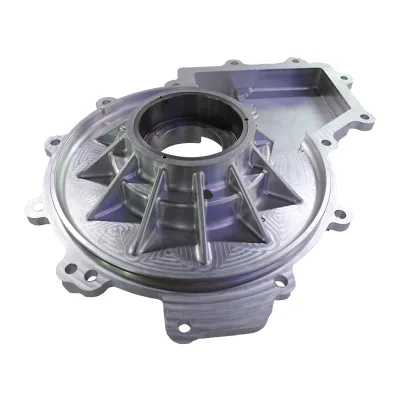
Procuring micro-machined aluminium enclosures requires precise alignment between design intent and manufacturing capability, particularly when dealing with tight tolerances and complex geometries. Buyers must verify that suppliers possess specific 3/4/5-axis CNC machining capacity capable of handling the intricate features often found in industrial equipment and transmission components. The observed market data indicates that high-precision parts can be produced with tolerances ranging from 0.01mm to +/-0.005mm, a critical specification for enclosures that must fit seamlessly into larger assemblies without requiring secondary finishing.
The sourcing landscape for these components often involves suppliers located in manufacturing hubs like Guangdong, China, who offer customized OEM services and rapid prototyping options. When evaluating potential partners, it is essential to confirm their ability to handle specific materials such as aluminum, brass, and stainless steel while maintaining surface roughness values between Ra 0.1 and 3.2. This ensures that the final enclosure not only meets dimensional requirements but also provides the necessary aesthetic and functional surface quality for applications in metal processing machinery and industrial equipment.
Product Scope and Observed Listing Signals
The product scope for micro-machined aluminium enclosures typically encompasses a wide array of machining types, including milling, turning, drilling, and wire EDM, which are necessary to achieve complex internal and external geometries. Listings often highlight capabilities for rapid prototyping and one-stop services that include assembly and packaging, allowing buyers to streamline their supply chain by consolidating multiple production steps with a single vendor. The availability of customized packaging and logo support further indicates that these suppliers are equipped to handle bespoke requirements for branding and logistics, which is vital for specialized industrial applications.
Observed listing signals reveal that suppliers frequently offer samples to validate their machining capabilities before committing to larger production runs, with delivery times for samples ranging from 3 to 7 days. This rapid turnaround is crucial for accelerating the design iteration cycle and ensuring that the enclosure design is viable before mass production begins. Additionally, the presence of detailed drawing formats such as PDF, STEP, and IGES in product descriptions suggests that suppliers are prepared to work with standard engineering files, facilitating a smoother transition from design to physical production without significant data conversion issues.
Technical Specifications to Verify
Buyers must rigorously verify the general tolerances and specific dimensional accuracy of the enclosure, as the observed data suggests a capability range of 0.01mm to +/-0.005mm for high-precision parts. It is imperative to confirm that the supplier can consistently maintain these tolerances across the entire batch, especially for critical mating surfaces that interface with other machinery components. The verification process should include a review of the supplier's quality control protocols, ensuring they perform 100% inspection steps to catch any deviations before the product leaves the facility.
Surface treatment and roughness are equally critical technical parameters that define the durability and performance of the aluminium enclosure. Suppliers should demonstrate proficiency in processes such as anodizing, electroplating, and electrophoresis to achieve the desired surface finish, with roughness values typically falling between Ra 0.1 and 3.2. Buyers should explicitly request test data or visual samples to confirm that the surface treatment adheres to the specified standards and provides the necessary corrosion resistance and aesthetic finish required for the intended application in metal processing or industrial equipment.
Compliance and Safety Documentation
Compliance documentation for micro-machined aluminium enclosures often includes certifications such as ISO, CE, and RoHS, which serve as indicators of the supplier's adherence to international quality and safety standards. Buyers should request valid certificates to ensure that the manufacturing processes and materials used meet the regulatory requirements of their target markets, particularly for products destined for the European Union or other regions with strict environmental and safety regulations. The presence of these certifications suggests a commitment to maintaining high standards in material sourcing and production practices.
In addition to general certifications, buyers must verify that the supplier adheres to specific industry standards such as BS, ANSI, JIS, GB, GOST, ASTM, and DIN, which govern the dimensional and material properties of machined parts. These standards provide a framework for ensuring that the enclosure components are compatible with global machinery and equipment specifications. It is essential to confirm that the supplier's quality management system is aligned with these standards to prevent any compliance issues that could arise during product audits or regulatory inspections in the buyer's region.
Cost Drivers and Commercial Terms
The cost of micro-machined aluminium enclosures is heavily influenced by the complexity of the design, the chosen material, and the required tolerance levels, with prices observed in the market ranging from $0.10 to $3490 depending on the specific configuration. Buyers should analyze the cost drivers associated with multi-axis machining and surface treatments, as these processes often require specialized equipment and skilled labor, which can significantly impact the final unit price. Understanding these factors allows for more accurate budgeting and helps in negotiating terms that reflect the true value of the manufacturing services provided.
Commercial terms such as minimum order quantities (MOQ) and lead times are critical variables that affect procurement planning and cash flow management. While some suppliers offer an MOQ of just one piece for prototyping, larger production runs may require higher quantities, with lead times varying from 3-7 days for samples to 7-15 days for standard production. Buyers should clarify these terms early in the negotiation process to ensure that the supplier can meet their production schedules and that the pricing structure aligns with their volume expectations and delivery requirements.
Supplier Qualification and Quality Control
Supplier qualification for micro-machined aluminium enclosures should focus on verifying their machining capacity, specifically their ability to operate 3/4/5-axis CNC machines that can handle complex geometries with high precision. Buyers must assess the supplier's track record in delivering consistent quality, as evidenced by their quality control procedures, which should include 100% inspection steps to ensure that every part meets the specified tolerances and surface finish requirements. This rigorous approach to quality control is essential for minimizing defects and ensuring that the enclosures perform reliably in their intended applications.
The supplier's ability to provide customized services, including logo support and tailored packaging, is another key indicator of their qualification and flexibility. Buyers should evaluate whether the supplier can adapt their production processes to meet specific branding and logistical needs, which can add significant value to the procurement process. Additionally, the availability of a one-stop service that covers machining, assembly, and packaging suggests a high level of operational maturity and the ability to manage the entire production lifecycle efficiently, reducing the risk of supply chain disruptions.
Long-Term Procurement Checks
Long-term procurement checks for micro-machined aluminium enclosures should include regular audits of the supplier's quality control systems and production capabilities to ensure continued compliance with agreed-upon standards. Buyers must establish a mechanism for ongoing performance monitoring, including periodic reviews of defect rates, delivery times, and responsiveness to design changes, to maintain a reliable supply chain over time. This proactive approach helps identify potential issues early and allows for corrective actions before they impact production schedules or product quality.
It is also essential to verify the supplier's capacity to scale production as demand increases, ensuring that they can maintain quality and lead times during periods of growth. Buyers should assess the supplier's resource planning and inventory management practices to confirm that they can handle fluctuations in order volume without compromising on the precision and finish of the aluminium enclosures. Establishing a strong, transparent relationship with the supplier based on mutual trust and clear communication will facilitate smoother long-term collaboration and support the buyer's strategic procurement goals.
FAQs
Can you provide micro machining aluminium enclosure samples?
Yes, samples are available for micro machining aluminium enclosures. The delivery time for samples is typically 3-7 days. This allows buyers to verify quality and fit before committing to larger orders. The service supports customized OEM requirements and includes one-stop machining, assembly, and packaging options for convenience.
What is the minimum order quantity for these parts?
The minimum order quantity is 1 piece. This low MOQ supports prototyping and small-batch production needs. Buyers can order single items for testing or initial deployment. The selling unit is listed as a single item, making it accessible for various project scales without requiring large initial inventory commitments.
What materials are supported for CNC machining?
Material capabilities include Aluminum, Brass, Bronze, Copper, Hardened Metals, Precious Metals, and Stainless Steel. Although some listings mention plastic, the primary focus is on metal processing machinery parts. These materials support various surface treatments like anodizing and electroplating, ensuring durability and aesthetic finish for industrial equipment applications.
What tolerances are achieved during the machining process?
The tolerance range is 0.01 to +/-0.005mm. This precision is achieved through 3, 4, or 5-axis CNC machining processes. The general tolerances follow ISO2768 Mk standards. This high precision ensures that micro machining aluminium enclosures meet strict dimensional requirements for critical industrial and transmission equipment components.
What certifications do the products hold?
Products hold ISO, CE, RoHS, and ISOGS certifications. These standards ensure compliance with international quality and safety regulations. The certifications support global sourcing requirements for industrial equipment. Buyers can rely on these documented standards for regulatory compliance in various markets, ensuring the parts meet necessary industrial and environmental guidelines.
What is the production lead time for orders?
Production time is typically 7-15 days. Sample delivery is faster, taking 3-7 days. This timeline applies to customized OEM orders. The efficient production cycle supports rapid prototyping and timely delivery for metal processing machinery parts. Buyers should plan accordingly for standard production runs versus quick sample requests.